
For years, we have imagined robots to be more advanced than they actually are. But what if that gap between expectation and reality is precisely the problem? That is the argument put forward by Kate Darling at Talent Arena 2026, where she debunked some of the most widespread myths about robotics and highlighted an unexpected obstacle: ourselves.
The humanoid trap and the animal metaphor
Historically, Western popular culture and science fiction have conditioned us to view robots through a polarised lens: they are either docile servants or future conquerors. This view has fuelled a constant tendency to anthropomorphise machines and attempt to recreate human intelligence.
However, Darling argues that this obsession with creating machines with human form and behaviour is limiting and “boring”.
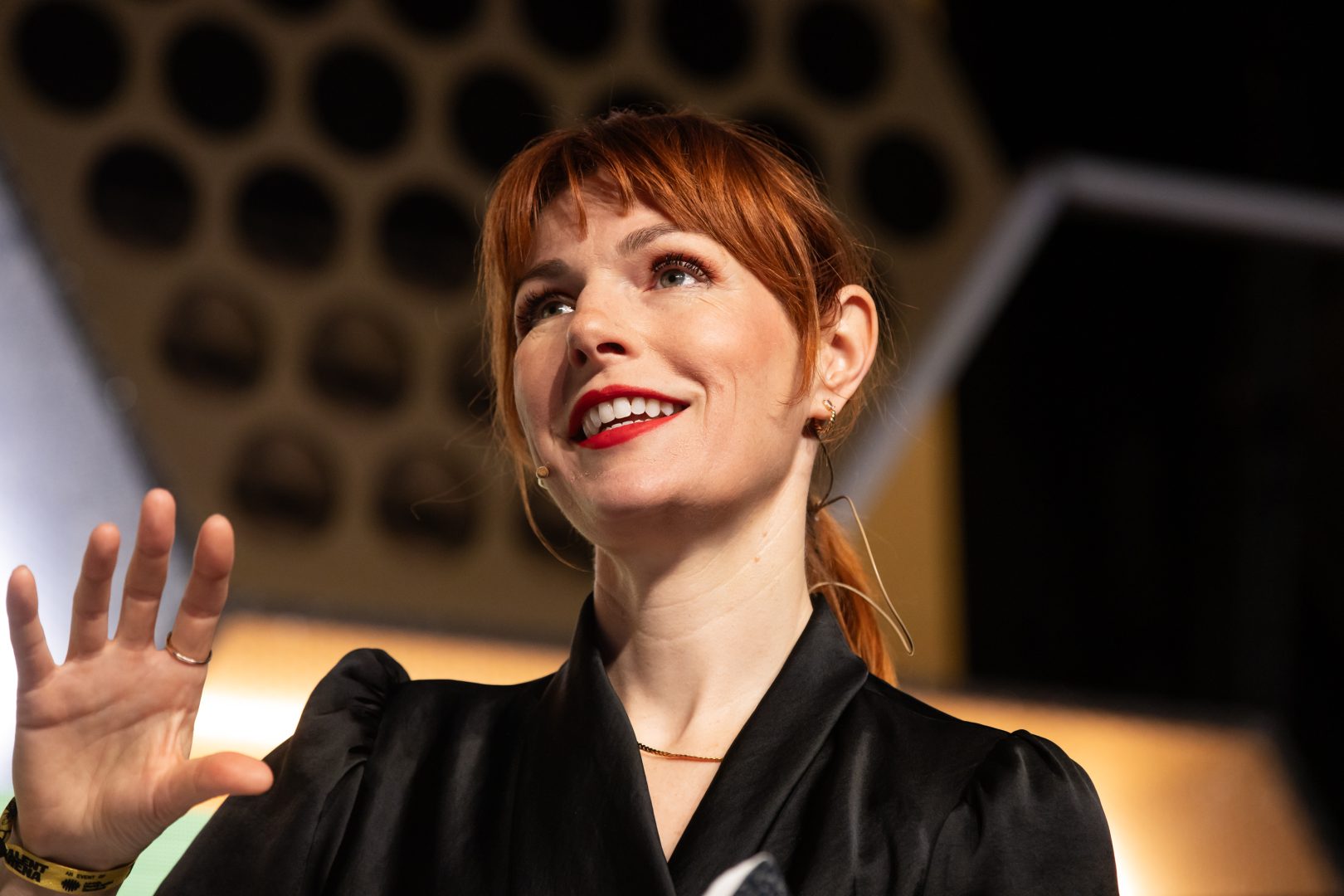
“The idea that we should be recreating human abilities makes technology boring. Why are we creating humans when we could be doing so much more?”
Instead of turning to science fiction, Darling proposes a far more pragmatic framework: the relationship between humans and animals. For millennia, we have partnered with animals for work, protection or companionship, not because they can do exactly the same as us, but precisely because their abilities are different.
Thinking about robots through this analogy opens our minds to different forms, functions and uses, moving us away from the constant and mistaken assumption that the destiny of machines is to replace us.
The clash with the physical world and unrealistic expectations
Today, we are dazzled by generative artificial intelligence models trained on massive amounts of text extracted from the internet. However, robotics faces an immensely greater challenge: the physical world. Unlike chatbots, robots lack the data needed to understand how to interact safely with the physical environment. Actions that come instinctively to us, such as adjusting our balance on a slippery floor or calculating how much pressure to apply to a fragile object without breaking it, currently represent engineering problems that are extremely difficult for a machine to solve.
This gap between the rapid advances in purely digital AI and robotics in the physical world is creating a critical problem: we are expecting too much from robots, and too quickly. Investors are pouring hundreds of millions into general-purpose humanoid robots, but as Darling explained, the technology’s actual capabilities are still far from meeting those expectations. Darling warns that these false hopes are the greatest risk to technology investment.
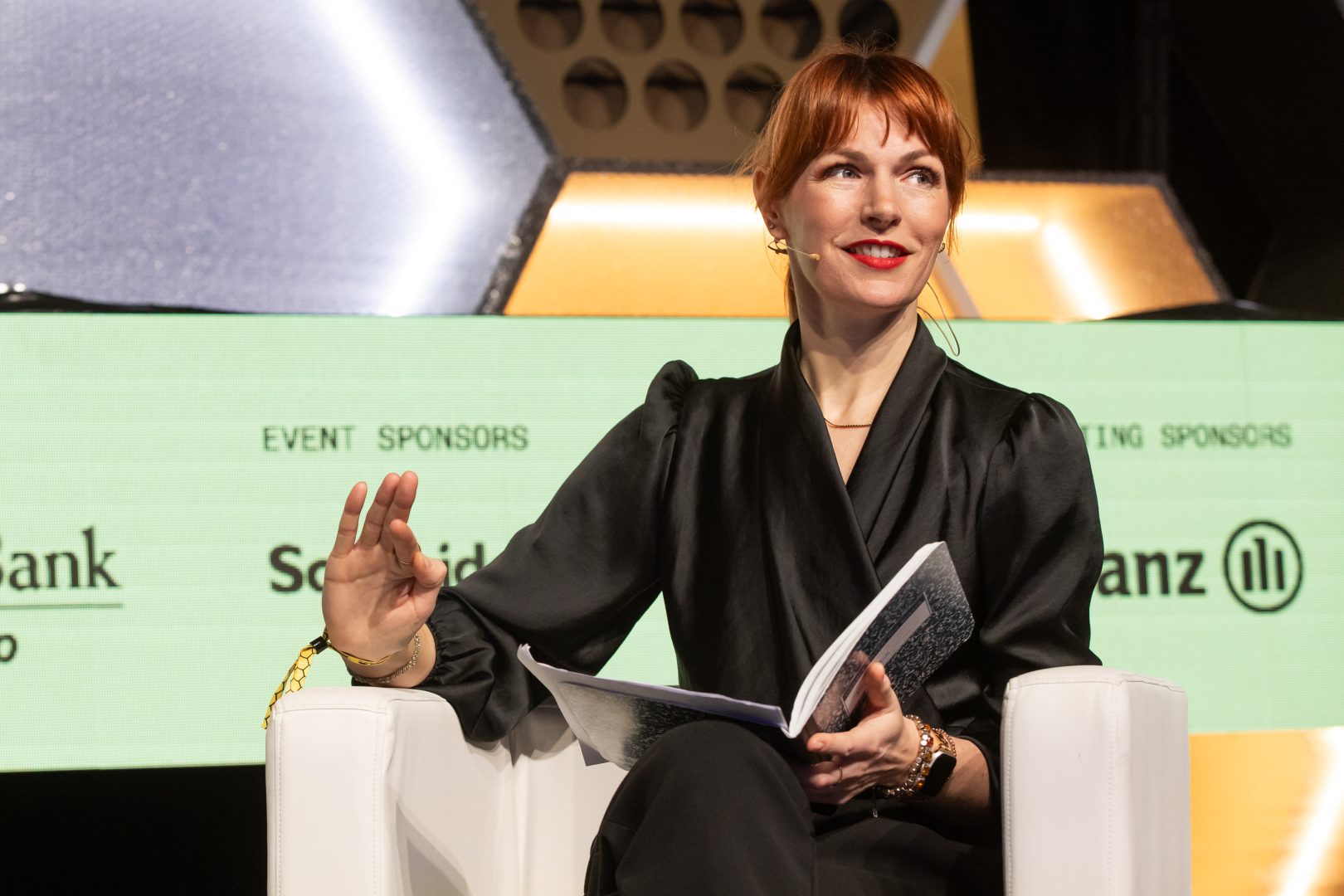
“People’s expectations never match the reality of what robots can do; they cost six-figure sums and do amazing things if you understand the secrets of robotics, but people’s expectations—even those of investors—are too high.“
The false myth of ‘job theft’ and corporate responsibility
One of the most common headlines is that robots will leave us without jobs. Darling categorically debunks this narrative, pointing out that the real culprit is not technology but corporate decisions driven by unbridled capitalism and the pursuit of short-term profit. Darling warns that today’s companies are not rewarded for making ethical decisions or those that support people but for maximising quick profits and cutting costs, often treating workers as disposable.
To illustrate this, Darling recalled the 19th-century Luddites, who are often mistakenly labelled as “enemies of technology”. In reality, they were protesting against the use of new machinery as an excuse to worsen working conditions. Similarly, today robotics should be used to complement our capabilities, scale up production or take on dangerous tasks, giving us safer and more meaningful jobs.
For this transition to be fair, policy initiatives aimed at retraining workers are required.
Our emotional connections: from robot vacuum cleaners to the battlefield
Robotics, being physically embodied, evokes unique reactions in us. Evolutionarily speaking, our brains are designed to identify agents that move on their own and project vital intentions onto them. That is why a staggering 85% of people give their robot vacuum cleaner a name and even feel sad when it gets stuck. Even more astonishing is the case of the company iRobot, which received faulty units for repair and found that customers rejected a new replacement device because they wanted ‘theirs’ back.
This powerful emotional bond is even observed in extreme situations. Darling described how soldiers in Afghanistan became so attached to heavy, tank-shaped robots they used to defuse explosives that they held funerals for them when they were destroyed and even risked their own lives to save the machine. If designed carefully, avoiding the unsettling effects of the ‘uncanny valley’ (when something appears human but turns out to be fake and creepy), these systems could harness emotional attachment to tackle global health issues such as unwanted loneliness.
Ethics, human responsibility and Europe’s leading role
When a technological system fails, there is a dangerous tendency to shift the blame onto the machine. Darling flatly rejects the idea of introducing artificial ethical systems equivalent to Asimov’s famous Laws; instead, he argues that human creators and companies must always be held accountable.
This is evident in the “moral deformation zone”, a bias that occurs in systems where machines and people work together. When a tragedy occurs, such as the fatal accident involving Uber’s self-driving car, the judicial system tends to punish the human operator harshly whilst absolving the manufacturer of responsibility for organisational and design flaws in the vehicle. Darling compares this to blaming a tiger for attacking someone in a zoo rather than holding the institution responsible for keeping it in a secure enclosure.
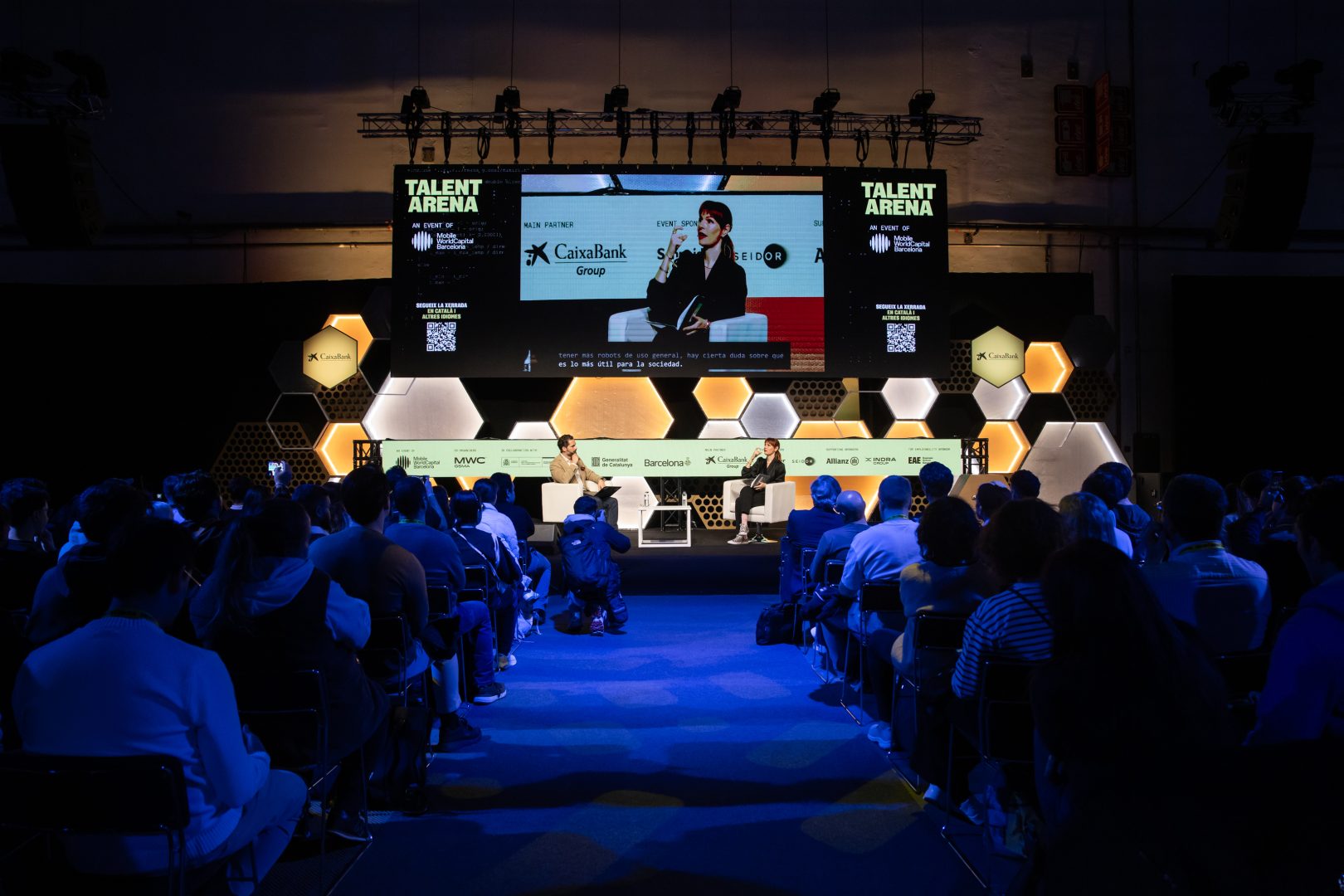
“We tend to place the ethical burden on machines when we should be holding humans to account. When we shift the blame onto the machine, we are not addressing the real problem; people and companies must take responsibility.”
As for the regulatory landscape, Darling openly praises the European Union’s stance. Whilst the culture of Silicon Valley in the United States is based on the premise of ‘move fast and break things’ — a mindset that Darling accepts ends up unfairly harming certain social sectors — Europe has made swift regulation a priority. Despite fears that this might stifle commercial innovation, Europe is setting a valuable example for the rest of the world to learn how to align technological progress with community and social values.
“Regulation in Europe is swift and a priority; the US needs more regulation. Many countries are looking to Europe for the steps it is taking. I believe that, even if we make mistakes, Europe is leading the way and it is important for people to see that.”
Conclusion
The key message Kate Darling sought to convey at Talent Arena is a call to action: the future of robotics is not set in stone by technological inertia but will be the direct result of our collective decisions.
If we aspire to a future in which robots genuinely contribute to development, we must abandon passivity, engage in politics and demand that innovation evolves in favour of people’s well-being and not against it.
Stay up to date about everything
Subscribe to stay up to date with the latest content from Mobile World Capital Barcelona.